




The Invisible Grind: Ava Black on the Hardest Role in Elite Netball
When a player tears their ACL, the collective gasp from the crowd says it all. It is a “loud” injury—one defined by immediate shock, a dramatic exit from the court, and a highly visible nine-to-twelve-month countdown of surgical rehab and grueling gym sessions. The fans see the heavy knee braces, the social media updates of milestone runs, and the triumphant return to court.
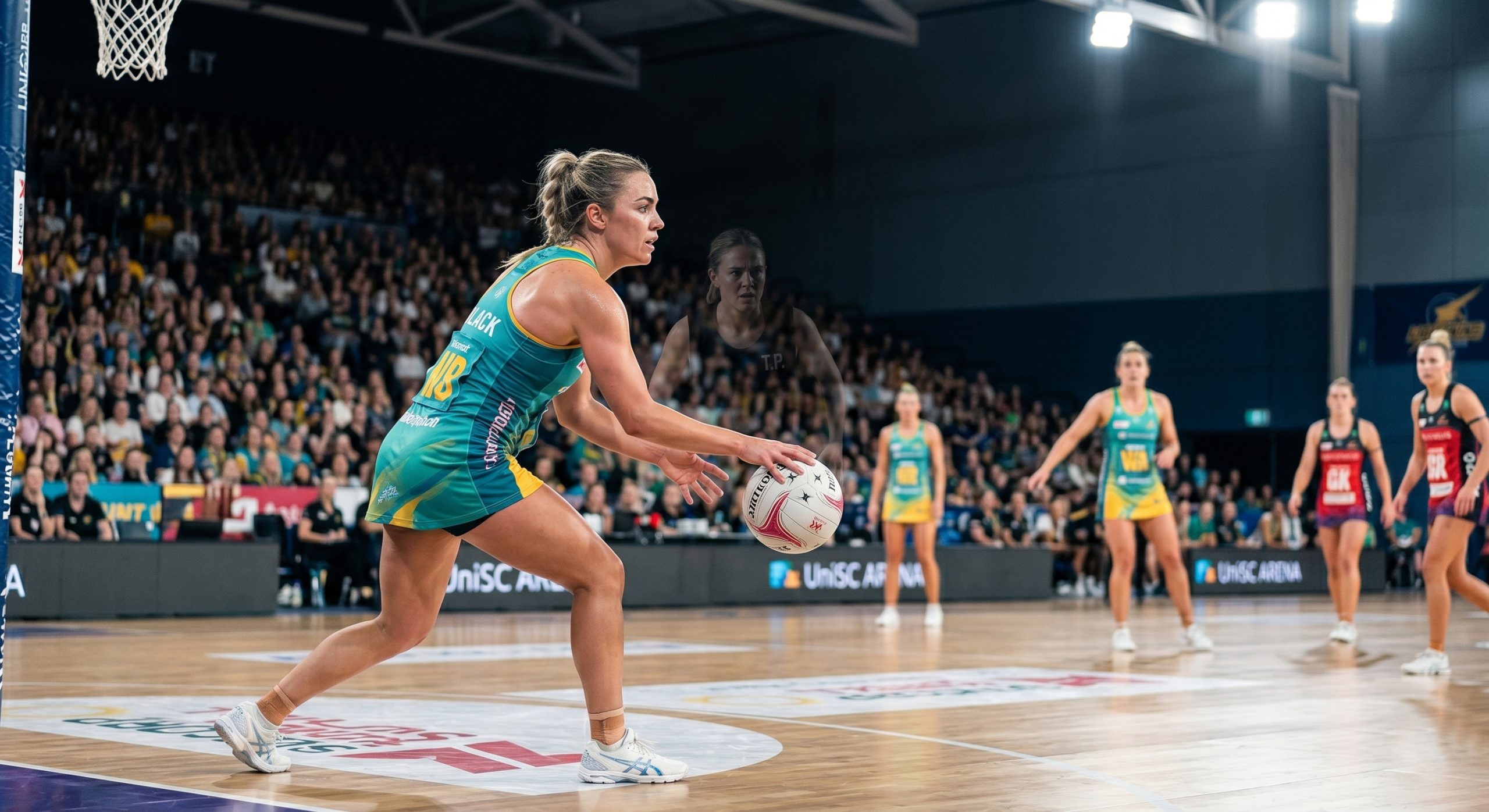
But for Sunshine Coast Lightning midcourter Ava Black, the ultimate test of her resilience didn’t happen in the rehab room. What the 22-year-old calls her most difficult sporting battle was an entirely invisible one—a role most fans watch from afar without ever truly understanding the psychological toll: the life of a training partner.
The “Silent” Challenge of the Training Partner
Before a devastating ACL tear temporarily sidelined her, Black spent years navigating the high-stakes, low-guarantee world of an elite netball training partner.
In professional netball, training partners are the backbone of a franchise. They push the starting ten every single day in practice, study opposition tape, and maintain peak physical condition—all without the promise of a contract, court time, or even a spot on the bench.
“ACLs, Achilles injuries, they’re such big long-term and loud injuries,” Black shares. “You’re fully healthy but you’re just not getting the opportunity. That’s a hard space to be in.”
When you are injured, the sporting world wraps its arms around you. There is a clear protocol, a medical team, and a definitive goal. But as a healthy training partner fighting for a breakthrough, there is no applause for showing up.
- The Emotional Toll: “You’re not getting a clap and no one’s patting you on your shoulder because you’re not injured,” Black confessed.
- The Uncertainty: Having a dream but lacking a concrete guarantee that the hard work will ever result in professional court time makes it incredibly difficult to stay motivated.
Redefining Resilience
Rather than letting the frustration break her, Black credits those quiet, unglamorous years of grinding in the shadows for building the mental armor she needed to handle her actual physical injuries later on.
When her ACL rupture did happen, she actively fought against falling into a victim mentality. Drawing from the selflessness she learned as a training partner, she consciously chose to keep her energy positive for her teammates. She didn’t want her peers to feel like they had to walk on eggshells around her grief. She wanted them to feel her loud encouragement from the sidelines, even on the days she was privately struggling.
The Resilience Cycle
- Training Partner Grind: Pushing the main squad in the dark with no guarantees.
- Ankle/ACL Rehab: Staying mentally engaged while physical capacity is stripped away.
- Fighting for Court Time: Re-entering the selection race with a new perspective.
“It’s not easier now that you’re capable again…” — Ava Black
The Hard Work Continues
Now back on the court and capable once more, Black is quick to remind herself that the battle hasn’t changed—it has just evolved. Rebuilding her explosive, aerial style of play is a physical challenge, but the mental requirement remains exactly the same as it was when she was an uncontracted teenager trying to catch a coach’s eye.
“I’ve realised going through rehab was bloody tough, but there’s probably a lot of other things that are also bloody tough along the way and it’s still bloody tough now,” says Black.
The next time you see a netball team take the court, look past the starting line-up. The true heart of elite sport is often found in the players standing just outside the spotlight, fighting a battle that no one else can see.